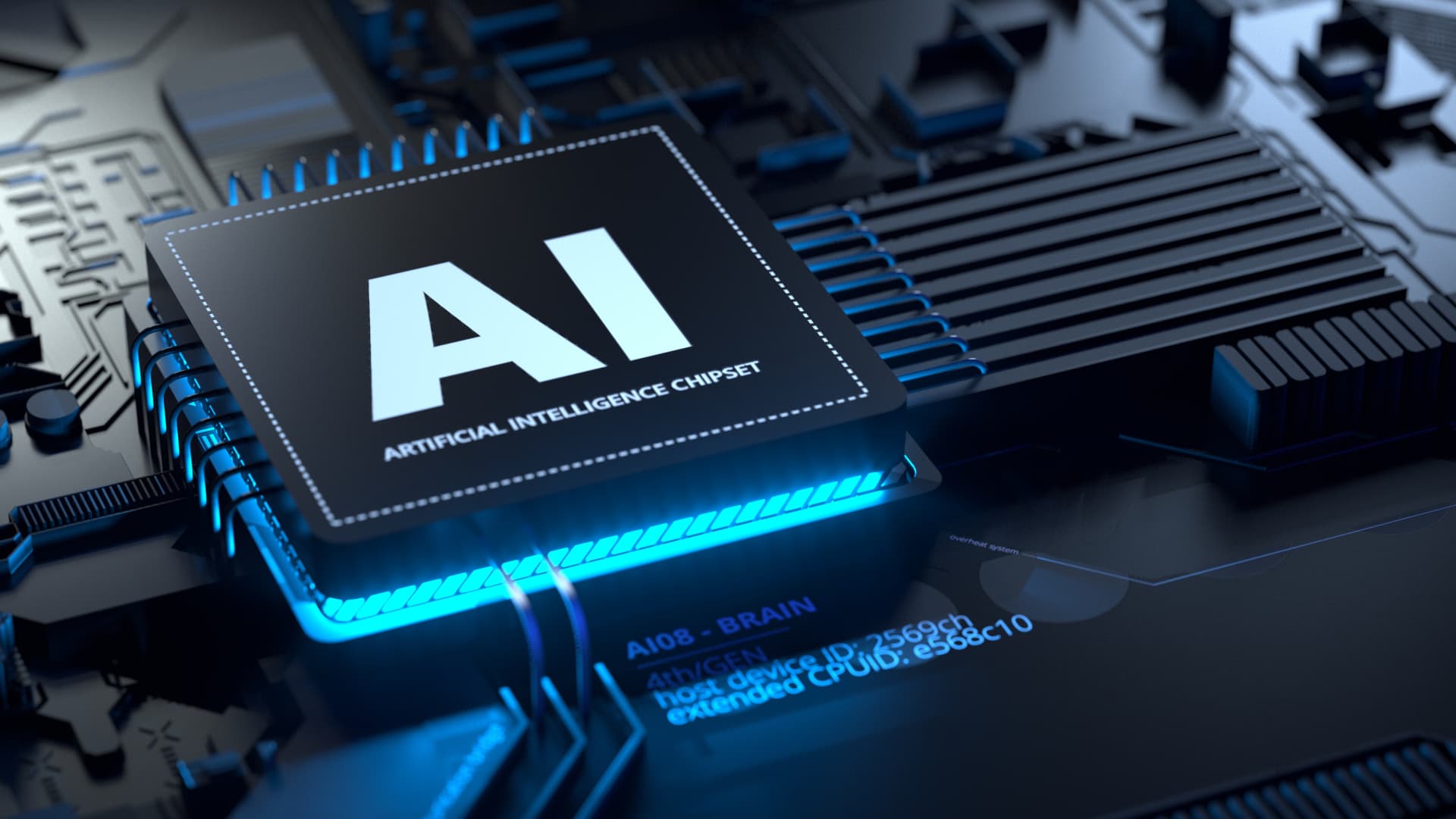
The global consumer electronics market is preparing for price hikes. This pressure is being driven by a significant increase in artificial intelligence (AI) infrastructure spending. Businesses are purchasing more chips than ever. This pressure is causing a shortage of essential semiconductor components. Analysts caution that Nvidia and other AI participants are fueling this scarcity. Their rapid expansion is straining the chip supply chain. This may soon have an implication for daily gadgets and could lead to rising gadget prices. Gadgets such as smartphones, laptops, and tablets can be more costly. There is even the possibility of delays or a shortage of certain products.
AI Boom Creates a Supply Chain Crunch
The fast growth of AI data centers around the world has created huge demand for advanced chips. These centers need powerful processors, graphics chips, memory and storage. The demand is higher than anything seen before. In the last two years, big tech companies have spent hundreds of billions of dollars on AI systems. Nvidia, the top maker of AI chips, is at the center of this rush. But it is not the only one. AMD, Google, and Microsoft also depend on the same chip makers and parts suppliers.
This intense resource competition is beginning to choke the supply chain at critical points. Bain & Company’s Peter Hanbury told CNBC that shortages are emerging across hard drives, SSDs, and multiple categories of memory chips. AI data centers, he explained, are consuming such vast quantities of components that the supply chain cannot replenish fast enough. Even small imbalances in supply and demand can deliver steep price spikes, particularly in memory chip categories.
Rising Memory Prices and Shifts in GPU Component Demand
Memory chips have emerged as one of the most significant pain points. DRAM—particularly high-bandwidth memory (HBM), which is essential for high-performance AI accelerators—has witnessed soaring demand. Counterpoint Research forecasts a 30% increase in memory prices in the final quarter of 2025 and an additional 20% jump in early 2026. Even a 1% or 2% imbalance in DRAM supply can spark dramatic price volatility, yet current imbalances are approaching 3%.
Adding to the pressure, Nvidia has begun shifting more of its products toward Low-Power Double Data Rate (LPDDR) memory, which is traditionally used in premium consumer devices like Samsung and Apple smartphones. LPDDR offers greater power efficiency and performance, making it well-suited for Nvidia’s next-generation GPUs. However, the company’s adoption of LPDDR at massive scale is a “seismic shift” for the supply chain, according to analysts. The market historically only needed to meet demand from a handful of top consumer electronics brands. Nvidia is currently consuming the scale of a large smartphone producer, greatly constraining supply.
Chipmakers like TSMC, Samsung, and Intel have hard choices to make. These firms do not have a large capacity to produce advanced-fabrication and are more disposed to deploy them on high-margin AI chips instead of consumer electronics’ low-margin parts. This shift further restricts the availability of mainstream DRAM, NAND storage and other chips that power everyday gadgets.
How Shortages Could Impact Rising Gadget Prices
The ripple effect of the AI-driven supply crunch could soon be felt by consumers. With memory and storage components accounting for 10% to 25% of the total bill of materials of a smartphone or PC, even a modest price rise can significantly impact production costs. According to a report by Bain Hanbury, a 20 percent to 30 percent memory price rise will mean a 5 percent to 10 percent rise in the total manufacturing expenses of many widely used products.

All manufacturers cannot afford these increases, particularly those with small margins or with low-end customers. The outcome could be a ripple effect of retail price increases in the smartphone, tablet, and laptop, and other electronics. Recently, Xiaomi, the third-largest smartphone seller in the world, warned that consumers would likely face a significant increase in the retail prices of their products. Dell COO Jeff Clark described the surge in component costs as “unprecedented,” highlighting that prices for both memory chips and storage drives have escalated sharply.
A Broader Industrial Impact Beyond Consumer Electronics
The consumer electronics industry is not the only industry where the strain of semiconductors is applied. The automotive, aerospace, defense and industrial manufacturing industries are many and rely on the same foundries and component vendors as AI players. Suppliers are shifting capacity out of legacy and mainstream chips and into high-performance AI semiconductors with higher profit margins as demand grows.
This change has the danger of creating far-reaching unintended effects. Industries with older nodes or with storage and memory formats would have long lead times and unforeseeable cost increases. Automakers, who continue to grapple with shortages inflicted by the pandemic, may be faced with fresh supply pressure on the chips used in powering infotainment, advanced driver assistance systems and battery management.
The semiconductor production capacity is unable to keep pace with the abrupt increase in demand. Construction of new fabs costs billions of dollars and it usually has to be a two to three year process. To make it worse, the industry has always been wary not to get too deep in capacity building, having been taught bitter lessons in the past as a result of boom and bust cycles. As a result, many suppliers opted not to fully ramp up production despite early signals from AI players.
What Comes Next for the Tech Industry
The AI boom has reshaped the technology sector, and it has also served to point out the weakness of the global semiconductor supply chain. As Nvidia and other companies are putting increased demand on LPDDR chips, DRAM prices increase, SSDs and HDDs are becoming scarce, and manufacturers are experiencing intense pressure. Analysts think that these problems could extend to 2026 or beyond in case the adoption of AI will further increases.
To the consumer, it may result in rising gadget prices like those of smartphones, laptops, tablets, and even wearables. Other brands may have fewer discounts, lower stock levels, or change into more profitable devices. The intense rivalry over high-tech chips can also slow down the frequency at which companies launch new products.
With big tech spending billions on AI, the actual question is how to continue the rapid innovations without influencing the electronics market as a whole. The main question now is, can the industry produce more chips soon enough to counter record-breaking demand.