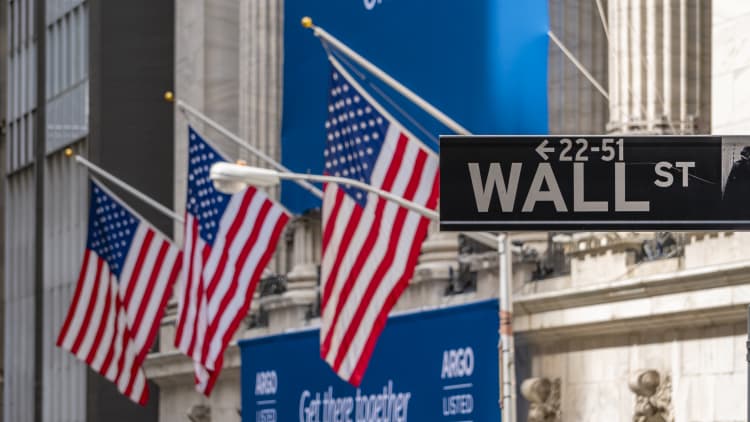
U.S. stock futures were largely unchanged in thin trading on Friday. Investors returned from the Christmas holiday for the final full session of the week. As Wall Street has already been creeping close to record highs, traders are keenly observing whether the conventional year-end Santa Claus rally can continue to gain momentum.
Dow Jones Industrial Average, S&P 500, and Nasdaq Composite futures contracts were close to the flatline overnight. The level of trading was low, as the holiday-cut shortened week and there were no significant economic releases.
Christmas Day closed markets, and the Friday session is one of the last chances for investors to position their portfolios before the end of the year.
Indexes Close at Record Levels
Friday began in a calm way after a very good performance in the shortened Christmas Eve session. The S&P 500, as well as the Dow Jones Industrial Average, finished at new all-time highs, stretching a streak of wins to five consecutive sessions.
This is at the same time of the Santa Claus rally period, which usually involves the last five trading days of the year and the first two sessions of the new year. The returns in this period have traditionally been regarded as a good indicator of future performance in early January.
Renewed risk appetite has been helping all of the three major U.S. indexes at the end of the year, even though interest rates, geopolitics, and global trade tensions remained on their minds.
A Strong — but Volatile — Year for Stocks
As the year 2025 approaches, U.S. equities are poised to end another year of good performance without challenges, albeit with turbulence. The S&P 500 has already gained about 18 percent this year, putting it on track for its sixth consecutive annual increase of over 15 percent in the last seven years.
The Nasdaq Composite has been on the frontline, with gains of up to over 20% in 2025. That performance stands out especially considering that the index had a short-lived bear market mood earlier this year after President Donald Trump declared broad tariffs in April, which shook global markets.
Technology shares eventually recovered because investors shifted their attention to the growth of artificial intelligence, a recovery in earnings, and the belief that borrowing costs would be more lenient in the latter part of the cycle.
Dow Jones Remains Resilient
The Dow Jones Industrial Average has also recorded some constant returns, with support being given by the industrials, financials, and consumer-facing firms. Blue chip stocks have enjoyed the elevated mood concerning the stability of corporate earnings and ongoing consumer spending.

Geopolitical Tensions Boost Safe-Haven Demand
The growing unrest in the world has enhanced the purchase of gold as an insurance measure against the unknown. Recent developments in Venezuela, where the United States has intensified pressure on the government of President Nicolas Maduro and shut down oil tankers have added to investor nervousness.
In addition, reports that the United States is considering a military attack on the Islamic State assaults in Nigeria have amplified geopolitical risk, eliciting inflows to safe-haven assets.
Analysts report that these happenings, coupled with the ongoing octagon of trade wrangles and political volatility, are driving investors back to hard currency.
Federal Reserve Outlook Remains Unclear
The other important reason that is in favor of precious metals is the future of the monetary policy of the U.S. Gold and silver are likely to enjoy lower interest rates since they do not yield.
The Federal Reserve already has three rate cuts under its belt, and even though anticipations of further reductions have eased in early 2026, traders are still betting that interest rates will continue to fall over time.
At present, the percentage of market participants who anticipate a reduction in the rate at the next Fed meeting is less than 15 percent. The expectations are more split when it comes to March, which indicates uncertainty concerning inflation, the state of the labor market, and economic growth.
Dollar Weakness Adds Momentum
The U.S dollar has been facing problems over the past several months, which has further increased the prices of commodities. A depreciated dollar will increase the appeal of gold and silver to foreign customers and increase their significance as alternatives to fiat currencies.
Another trend that has attracted the attention of investors is what analysts call the debasement trade, in which the fear of increasing government debt and the decline in the value of the currency over time inspires a flight out of sovereign bonds and into hard assets.
Purchases of gold by the central banks have been high, supporting the demand and restricting supply.
Looking Ahead to 2026
With Wall Street set to make the transition into 2025, the focus is currently on the prognosis of the new year. The major themes likely to dominate early 2026 encompass the rate at which the Federal Reserve is loosening, the sustainability of corporate earnings, and the development of global trade tensions.
A focus on artificial intelligence investment, geopolitical stability, and consumer resilience will continue to dominate market narratives, too.
As long as this lasts, however, investors seem happy to ride the surge, taking it cautiously, yet aware that volatility always comes back once the holidays finish.
As stocks approach record highs and precious metals soar, the last trading weeks of the year could provide a clue on how the markets will start the 2026 intoxications.