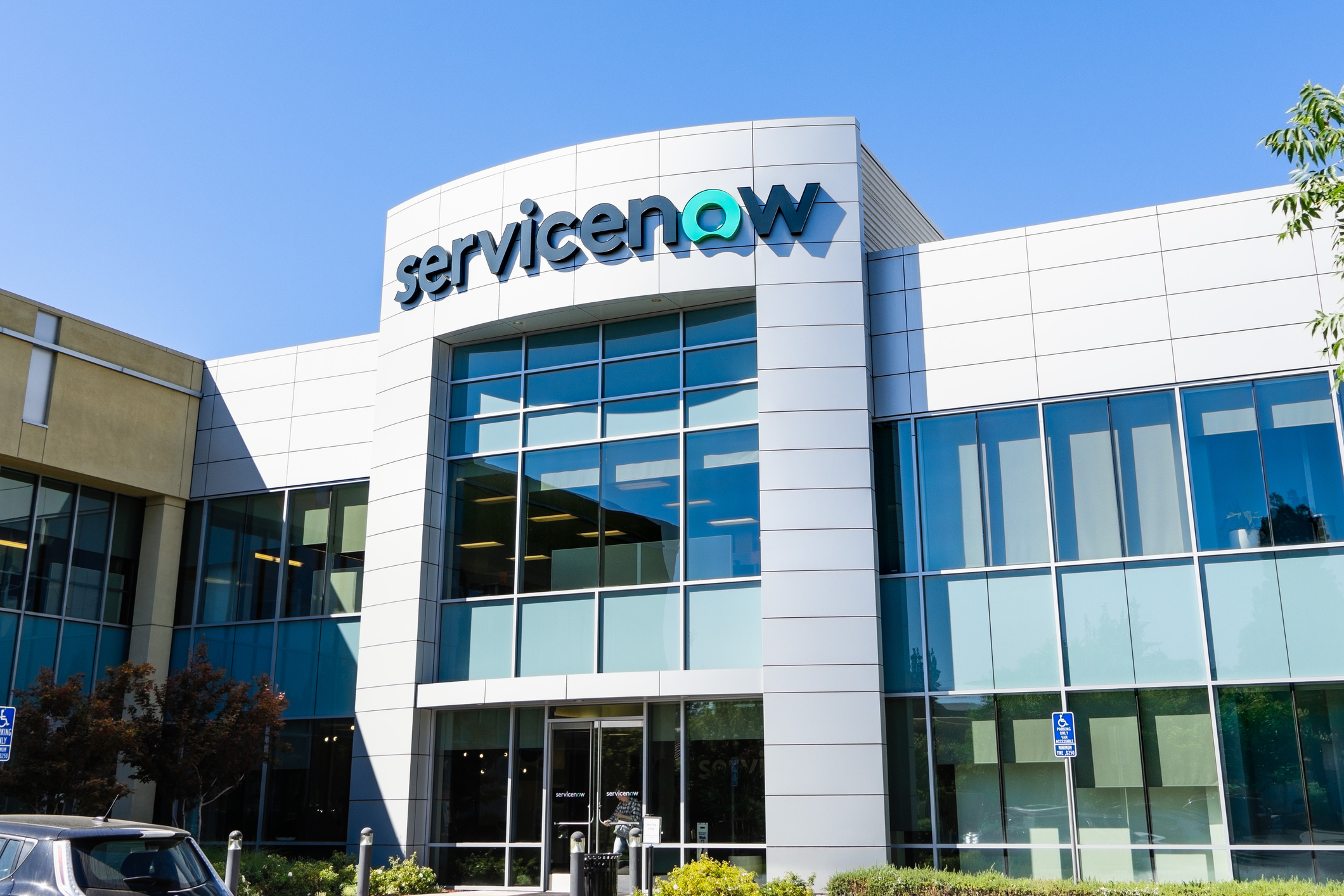
ServiceNow has entered advanced talks to acquire cybersecurity startup Armis, signaling its biggest deal yet as demand for integrated security tools accelerates. The potential $7 billion transaction highlights ServiceNow’s push to strengthen its platform while startups increasingly choose acquisitions over uncertain IPO markets.
A Strategic Expansion for ServiceNow
ServiceNow has developed a brand based on a reputation as one of the most popular workflow automation and enterprise IT management software providers to large organizations in any industry. In recent years, the company has grown consistently into the field of security operations, becoming a hub to orchestrate IT services, personnel operations, and online business operations.
The takeover of Armis would have been a significant strategic step. Armis focuses on hardening internet-connected devices, such as laptops, cell phones, servers, medical equipment and industrial systems, assets that typically are not within the traditional security boundaries. With more enterprises depending on cloud computing, remote working, and connected devices, overlooking these environments has turned into a chief information security officer’s priority.
ServiceNow can provide customers with a more comprehensive understanding of all their digital footprints by incorporating the technology of Armis, which can enhance its competitiveness as a one-stop enterprise solution. Analysts say the move would allow ServiceNow to compete more aggressively with other software giants that are embedding security tools directly into their platforms.
Armis’ Rapid Growth and Rising Valuation
Armis, established in 2016, is one of the most rapidly developed companies in the field of cybersecurity. In August, the company declared that it had exceeded 300 million in the yearly recurrent revenue, having reached the point within less than a year following a break of 200 million. That growth rate has attracted both investors and potential acquirers.
About one month ago, Armis announced that it had raised 435 million as a result of a funding round that gave it a valuation of 6.1 billion. It was led by the growth equity fund of Goldman Sachs Alternatives, with CapitalG, the venture arm of Google, joining. They have had past investors like Bain Capital Ventures and Sequoia Capital.
Chief executive and co-founder Yevgeny Dibrov has told CNBC in the past that Armis plans an initial public offering at the end of 2026 or early 2027, subject to market conditions. The move toward an acquisition, rather than a reflection of the challenging IPO market, is a signal of volatility and investor skepticism that have rendered listings on public markets undesirable to most late-stage startups.
Why Startups Are Choosing M&A Over IPOs
Armis’ potential sale fits into a broader pattern playing out across the technology sector. Although private valuations have been fairly robust, public markets have been less forgiving, especially to companies that are not yet profitable or those with high future growth expectations.

Consequently, a great number of start-ups tend to remain private or be acquired by established companies with solid balance sheets. To founders and investors, a strategic sale would provide some degree of certainty and liquidity, unlike an underwhelming public debut.
For ServiceNow, the timing works in its favor. Its sizable market capitalization enables it to pursue major deals, and its customers’ demand for integrated solutions positions the company to take on a fast-growing cybersecurity business like Armis.
Cybersecurity Takes Center Stage in Enterprise Tech
The fact that the acquisition might take place also highlights the increasing centrality of cybersecurity in enterprise software strategy. High-profile data breaches, ransomware attacks, and regulatory inspections have advanced security not only as a back-office issue but also as a top-level board-level concern.
One of the most challenging needs in organizations that Armis can address is the lack of control over uncontrolled and unintegrated devices. Most companies have difficulty seeing the entire scope of devices integrated with their networks, and they have blind spots that can be compromised by attackers.
The ability of Armis to integrate with the workflow automation of ServiceNow would enable organizations to not only identify hazards but also respond faster due to the automated processes. According to industry analysts, such integration is becoming what mega-enterprises are seeking in an effort to simplify the process and eliminate complexity.
Deal Size Signals Confidence in Long-Term Demand
The acquisition would become the largest in the history of the company to date, with the potential value of up to 7 billion, indicating good faith in the long-term prospects of the cybersecurity solutions market. The price tag is a premium, based on the valuation history of Armis, which reflects its growth path and strategic significance.
Among other things, investors will ask how ServiceNow will incorporate Armis and whether it will be accretive in the long run. Software deals involving large mergers are fraught with execution risks, especially where they encompass the union of various technologies and company cultures.
However, analysts go on to comment that ServiceNow has a record of successfully integrating acquisitions and continuing them into its broader platform. The deal can make the company more competitive when performed correctly and locate new sources of revenue.
What Comes Next
The talks appear to have progressed, but uncertainty remains. Bloomberg reports that the negotiations could still collapse, and neither company has publicly confirmed the discussions. Regulatory hurdles, valuation disagreements, or shifts in strategy could still derail the deal.
With the acquisition announced, both investors and competitors, as well as regulators, would most probably take a closer look at it. It would also project a standard of cybersecurity valuation at a period when the industry is experiencing a breakneck level of consolidation.