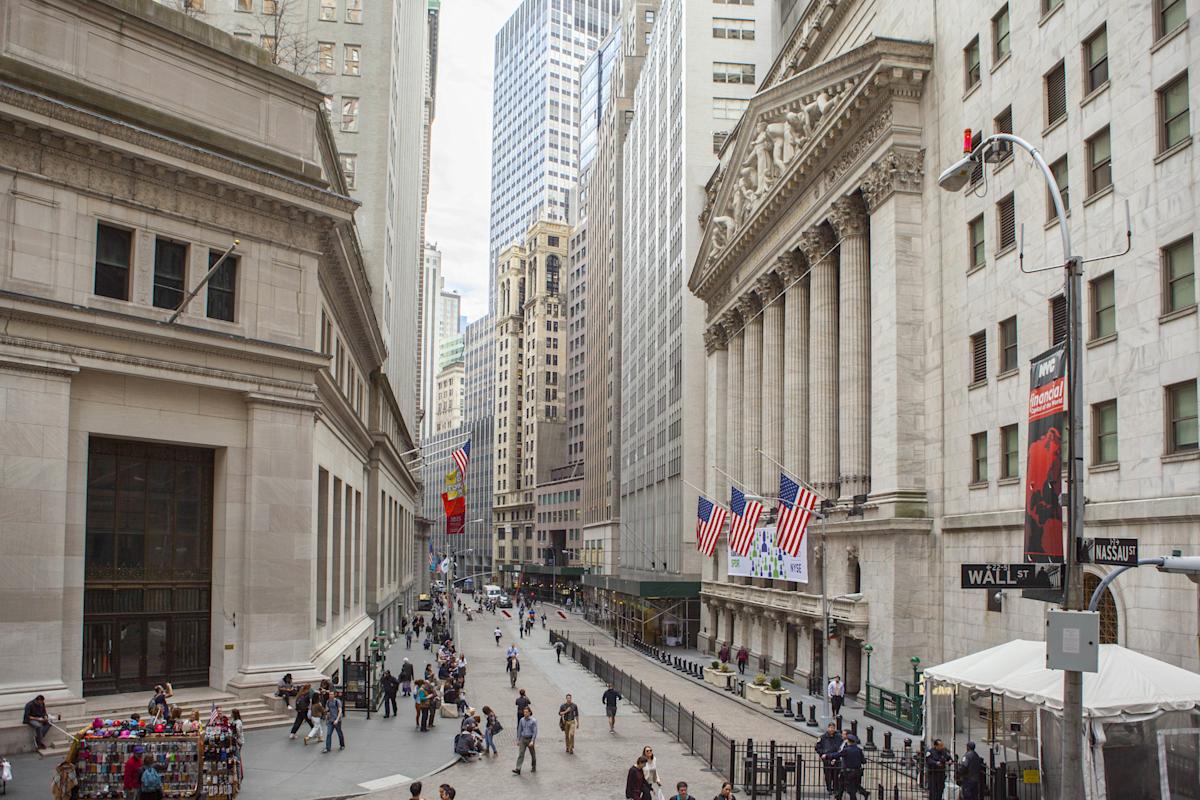
Stock futures in the U.S. this Sunday night are trading as Wall Street gears up to a shortened holiday week, as investors take time to evaluate whether the technology stocks could turn the tide before the year ends. Although recent advances in the artificial intelligence-related stocks have brought some relief, there are persistent valuation, market rotation, and end-of-year technical level issues that still influence the mood.
Contracts based on the Dow Jones Industrial Average gained slightly, with others corresponding to the S&P500 and Nasdaq indexes also gaining, indicating a slightly positive beginning of the week. The action follows a performance of both ups and downs in the major indexes last week that highlights the disproportionate tone of the market as traders approach the seasonal pattern and changing leadership.
Futures Climb After Mixed Week for Major Indexes
The Dow Jones Industrial Average futures rose by approximately 0.2 per cent, and S&P 500 futuresaksoared by a percentage of about the same. Nasdaq 100 futures did slightly better, but were up by about 0.3, indicating renewed faith in growth stocks. The profits came after a week where the market performance had gone in opposite directions through the indexes.
The S&P 500 and Nasdaq Composite recorded the third week out of the last four with the backing of a late-week recovery in technology stocks. The S&P 500 gained slightly by about 0.1%, and the Nasdaq gained moderately by about 0.5%. The Dow, on the other hand, declined by a margin of 0.7 per cent. Last week, ending a three-week winning streak despite leading other yardsticks earlier in the month.
The mixed results underscore the fine line that is being walked by investors who are torn between taking profits and risking a year-end run. Trading volumes will be less active as a result of the holidays, which means that any moves in the market will likely be more extreme when the headline gains are relatively small.
AI Stocks Attempt a Comeback After Recent Underperformance
The shares of artificial intelligence related firms indicated recovery last week following their underperformance in recent months relative to other markets. Oracle shares, which had been one of the biggest underperformers, also rose as TikTok announced the sale of its business in the U.S. to a newly created joint venture including Oracle and privately owned Silver Lake.
The growth supported the reinvigoration of optimism in enterprises closely associated with data infrastructure and cloud services, which supports the growth of generative AI. Another company that recovered was Nvidia, a boost to the late-week strength of Nasdaq and its standing as a bellwether around AI-driven market sentiment.
Investors are still doubtful of the ability of AI stocks to lead into year-end even after the rebound. High valuation and concerns about excessive capital consumption continue to drive some market participants to shift to less expensive and value-based sectors, limiting the potential of a broader tech-led rally.
Rotation and Valuation Concerns Shape Market Sentiment
Towards the end of this year, investors are paying more attention to valuation discipline and sector rotation. Technology stocks are under increased scrutiny because they drove most of the market returns during the last two years, with rates being high and profitability horizons now more heavily scrutinized.
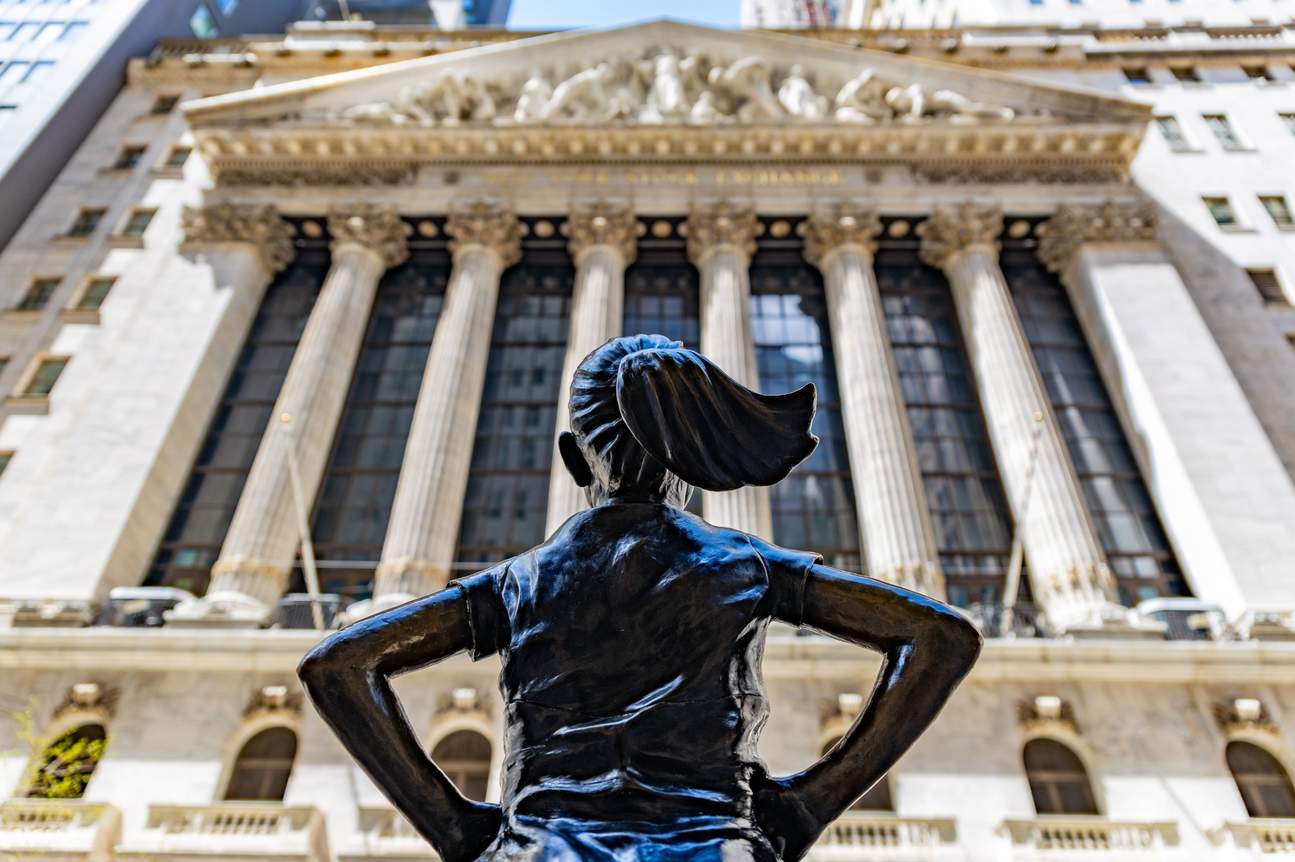
Some investors have shifted capital toward sectors perceived as offering better value or more immediate cash flows, contributing to uneven performance across indexes. This dynamic has made it harder for the S&P 500 to decisively hold key technical levels, raising questions about whether traditional seasonal tailwinds will materialize.
Doubts Linger Over the Santa Claus Rally
Focus has also shifted toward the possibility of a so-called Santa Claus rally, which is a seasonal event that usually takes place in the last five days of the year and the first two days of the new year. The period has been known historically to provide the investor with above-average returns, providing the investor with a late addition to annual returns.
According to the Stock Trader Almanac data, the S&P 500 has achieved an average increase of approximately 1.3 percent in this 7-day period since 1950. Although according to historical trends, the index may increase within this time, market players are split on whether the environment is conducive this year.
Relentless worries about technology valuations, mixed with questions about economic growth and monetary policy, have left investors reluctant to complete the seasonal story. The difficulty of the S&P 500 to honor major technical support measures has further dimmed hopes of a conventional year-end rally.
Holiday Schedule Brings Lighter Trading Conditions
Theonoliday schedule in the next few sessions is likely to affect the market dynamics. The New York Stock Exchange will close early at 1 p.m. on Wednesday, Christmas Eve, and will remain closed on Thursday, the day before Christmas.
Reduced trading hours and low turnover tend to decrease liquidity, subsequently exaggerating price changes without any significant news. Consequently, investors will become cautious and more position-oriented than risk-takers.
Outlook Remains Cautiously Optimistic Into Year-End
Although there has been uncertainty, the small increase in futures implies that investors are not giving up risk altogether. The recent recovery in the AI stocks has given some persuasion and even greater market strength shows that the confidence underlying it has not faded.
Nevertheless, traders seem to be satisfied to wait gathering more signs before taking decisive actions. It is still not clear whether technology can take the lead back, and seasonal patterns will take charge as markets head towards the last leg of the year.