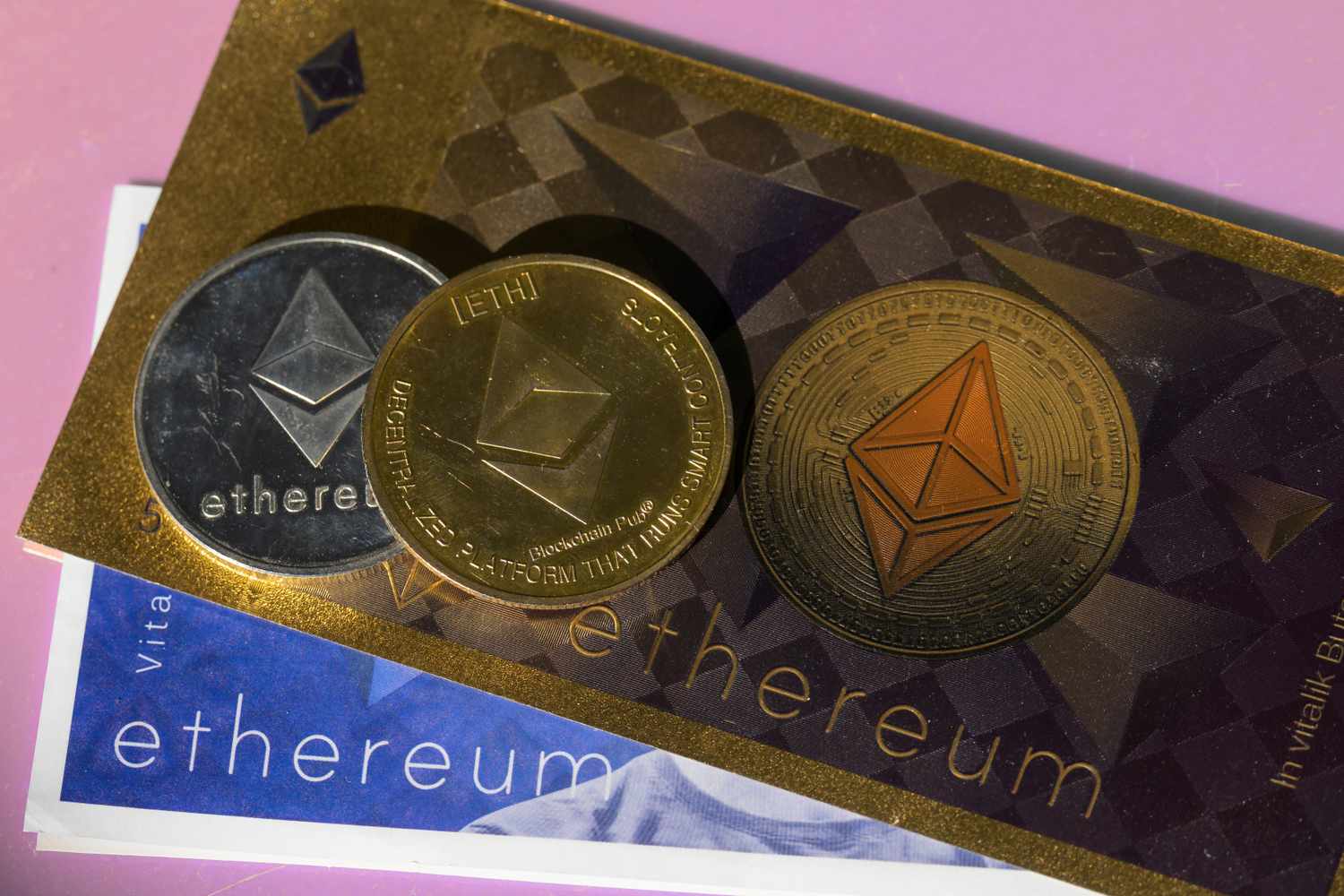
Crypto treasury stocks struggle as investors pull back from risky assets. “Broad equity markets have shown similar hesitancy, with volatility rising as traders reassess risk appetite across sectors. Markets show less enthusiasm for speculative strategies, and companies that hoard digital tokens feel the pressure.
Bitcoin trades near its lowest level since April. The drop shakes confidence across the digital asset ecosystem. Stocks tied to token reserves fall faster than token prices, and that trend alarms analysts.
Michael Saylor’s company, Strategy, shows the sharpest decline. Shares plunged almost 36% in November. That severe slide surprised traders who viewed Strategy as the flagship of the trend.
A Fast Boom Faces Its First Real Stress
Crypto treasury stocks grew rapidly this year, and so did their companies. Many companies placed large token positions after President Donald Trump expressed strong support for the sector. His remarks amplified optimism across digital finance.
Saylor pushed the movement further. His bold approach to corporate bitcoin accumulation inspired dozens of public companies. Many executives expected similar success, and they built balance sheets loaded with volatile digital assets.
That excitement has faded. Market sentiment turned cautious as investors questioned valuations and inflation risks. The idea of “buy bitcoin and wait” no longer convinces traders.
Concerns over a speculative bubble in artificial intelligence stocks add pressure. Investors treat crypto and AI as similar risk categories. When fear rises in one segment, the other often feels the impact. Recent swings in major technology names underscore how quickly sentiment can reverse when confidence in high-growth sectors fades.
Uncertainty around Federal Reserve policy adds more tension. Rates remain elevated longer than traders expected. Every delay increases hesitation across high-risk investments, including crypto treasury firms.
Analysts Warn About Market Fragility
Standard Chartered analysts issued strong warnings earlier this year. They emphasized the size of the treasury buildup. According to their research, these companies now control 4% of all bitcoin in circulation. They also hold 3.1% of Ether and nearly 1% of Solana.
Analysts claim such concentration can amplify volatility. They argue that any forced liquidation could create sharp price swings. They also expect consolidation, and many believe weaker firms may not survive extended price pressure.
Companies Search for Stability and Revenue
Executives at these crypto treasury stock firms reject the idea of collapse. They insist the next phase will test strong strategies, not blind optimism. Many leaders explore new revenue channels rather than rely only on token appreciation.
Some companies look at staking, lending, or liquidity provision. They aim for steady token yields. They want dependable cash flow rather than speculative upside.
Ether Strategies Gain Interest
Companies that focus on Ether offer a different model. Ether holders can stake tokens and earn rewards directly from the blockchain. That reward system gives firms a tangible income path.
Bitmine and Sharplink Gaming made headlines earlier this year. Both companies announced strategic ether accumulation, and their stock prices jumped. Many traders believed ether-focused firms had stronger fundamentals than bitcoin-focused ones.
That optimism weakened as markets corrected. Prices for both companies now sit far below earlier highs. Investors question whether yield strategies can offset price volatility.
Ether staking continues to attract attention, though. Staking provides recurring rewards and aligns companies with blockchain infrastructure. Executives claim that the combination creates lasting value.
Altcoin Treasury Strategies Increase Volatility
Some firms chase higher upside through alternative coins. These companies invest in Solana, XRP, and smaller speculative projects. They hope to outperform Bitcoin and Ether through aggressive diversification.
This approach offers high reward potential but introduces significant risk. Low liquidity and high volatility can wipe out gains quickly.
ALT5 Sigma shows how fast sentiment can shift. The company acquired World Liberty Financial, a digital token tied to the Trump brand. The announcement sparked interest, but share prices fluctuated wildly as sentiment shifted.
The Role of Traders and Market Psychology
Crypto treasury firms behave like leveraged proxies for token performance. Traders treat them as speculative vehicles rather than operating companies. When optimism rises, these stocks overshoot token gains. When fear rises, they fall harder.
Analysts say these firms rely on narrative as much as numbers. Investors respond to bold statements, strong public figures, and momentum signals. Price action often reflects headlines rather than financial fundamentals.
Adapt or Exit?
The model now faces a major turning point. Markets no longer reward simple hoarding strategies. Traders now demand oversight, discipline, and clear risk plans.
Executives acknowledge the shift. They say survival requires smart timing, diversified strategies, and income generation. Some plan to sell weaker tokens and focus on higher conviction holdings. Others aim to merge or join larger platforms.
Bitcoin, ether, and altcoins still attract capital. The crypto sector remains active, and innovation continues. However, the easy phase of corporate token accumulation ended.
Crypto treasury stocks now operate in a tougher environment. They must prove they offer value beyond speculation. Investors want clarity, revenue, risk control, and sustainable strategy.
Confidence can return, but the path looks slower and more selective.
The next six months will reveal which companies adjusted early and which relied on hype. Traders now watch fundamentals, not memes, and that marks a new chapter for the sector.