
Global markets extended their losing streak this week as pressure on major artificial intelligence-linked companies dragged indices across Europe, Asia, and the United States. The decline, which has now had steady momentum over a number of successive sessions, has raised a big question in the minds of investors across the globe: Is it just a temporary pullback or the beginning of a more far-reaching market correction?
AI Stocks Lead the Decline Across Global Markets
The markets in Europe and Asia replicated the infirmity of the U.S. equities, with the pan-European Stoxx 600 falling to its lowest level in a month on Tuesday and opening ambivalently on Wednesday. Large markets of the Asia-Pacific also lost, indicating deeply entrenched investor trepidation. These drops follow a sharp fall in U.S. indices, as overnight futures trading slowed after heavy losses in tech and AI stocks.
Nvidia, Palantir, and Microsoft, which used to be the market leaders, have now become the focus of investor panic. Their valuations, which had been boosted with AI optimism earlier in the year, are now being reevaluated in light of sustainability, debt funding, and capital spending requirements. Analysts believe that the overall attitude towards the potential of AI in the long term is still positive, despite the correction. What is occurring, they argue, is less about the collapse of an AI bubble and more about recalibrating expectations.
Emma Wall, head of investment analysis at Hargreaves Lansdown, told CNBC that the recent drop appears to be an “AI-specific pullback” rather than a signal of an impending bear market. According to Wall, while global markets are overdue for a significant correction, the current downturn isn’t extensive enough to define that moment. She believes the pressure hits mainly sectors tied to AI’s aggressive growth expectations.
Nvidia at the Center of Market Jitters Ahead of Earnings
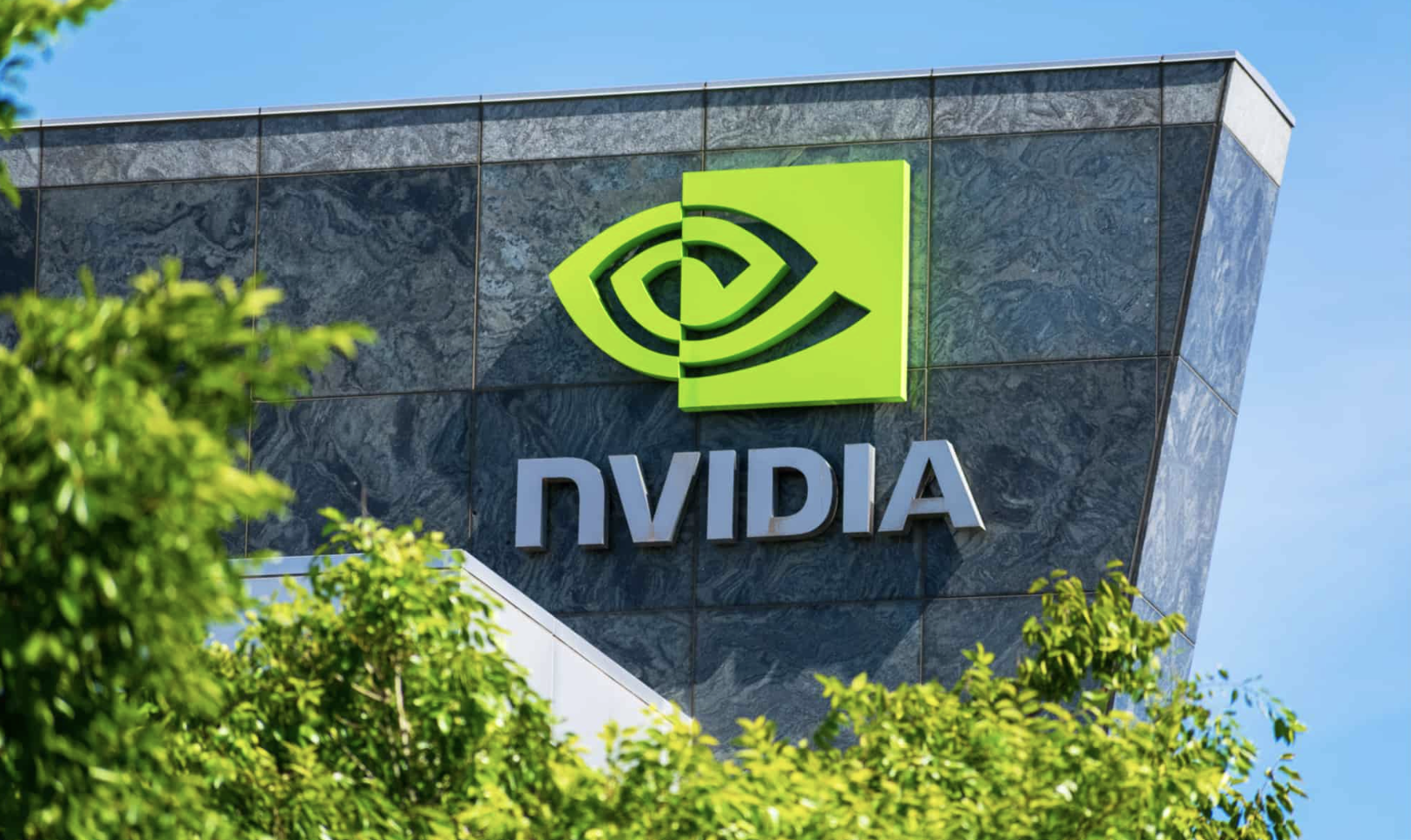
Much of the current volatility is tied to Nvidia, the chipmaker widely considered the bellwether of the global AI boom. Investors are on high alert as the company prepares to report its third-quarter earnings after the closing bell on Wednesday. Expectations are high, but recent market caution suggests investors may be bracing for an “AI reality check.”
Morgan Stanley’s chief U.S. equity strategist Mike Wilson echoed the view that the recent drop is part of a broader correction but not the end of the AI investment cycle. Wilson noted that markets have been in correction mode for roughly six weeks, but he believes this is still the “middle inning” of a much longer trend. He added that, depending on Nvidia’s results, any sharp decline in AI stocks may ultimately become a buying opportunity for long-term investors.
Growing Concerns About Hyperscalers’ Capital Spending
One of the biggest shifts unnerving investors is the sharp rise in capital expenditures among hyperscaler companies—massive cloud and data infrastructure firms such as Alphabet, Meta, Microsoft, and Amazon. These firms, once known for lightweight digital business models and high-margin returns, have become some of the world’s largest spenders as they race to dominate the AI era.
Global investors are now debating whether this rapid increase in spending is a sign of necessary innovation or a risky overextension. A recent Bank of America Global Fund Managers Survey revealed that, for the first time in twenty years, a majority of fund managers believe hyperscalers may be “overinvesting.”
Jason Thomas, head of global research and investment strategy at Carlyle, told CNBC that AI labs and tech giants are making bold promises and projecting transformative outcomes. However, investors are under no obligation to take these projections at face value. Thomas said some AI-related assets seem priced for best-case scenarios, and the market is now adjusting for the chance that growth may be slower or less smooth than expected.
Thomas also pointed out that hyperscalers have undergone a dramatic balance-sheet transformation. A decade ago, just 15% of their book value consisted of physical assets. Today, roughly 70% is tied to property, plant, and equipment—primarily data centers.
Debt Issuance Rises as Questions Loom Over Funding Stability
The recent shortages in AI stock valuations have coincided with a noticeable increase in corporate debt issuance. Technology leaders such as Alphabet and Meta have taken advantage of favorable funding conditions to issue bonds and secure long-term financing for their AI ambitions. For now, analysts say this is not cause for alarm.
Wilson emphasized that rising debt is only a concern if funding markets tighten, which has not occurred yet. Investors will continue investing in AI-related ventures, particularly those supported by substantial returns and prospects in the long term technological prospects. But, he cautioned that this could change soon in case of any financial changes or when AI firms do not meet claims of their work on schedule.
Most investors see the current turmoil as a time to assess, not panic. The rapid growth in the AI sector has pushed valuations to extreme levels, and a pullback was expected. The question now is whether this pause will stay limited or spread to global markets.
Is This a Blip or the Beginning of Something Bigger?
Despite the turbulence, most leading investment strategists believe the AI cycle is far from over. Companies, markets, and investors are performing what Thomas calls a “delicate dance,” balancing excitement over technological breakthroughs with the discipline needed to avoid speculative bubbles.
In the short term, volatility is likely to continue as investors await Nvidia’s earnings and assess how tech giants plan to finance their increasingly expensive AI strategies. Longer term, analysts expect intermittent corrections but still anticipate significant growth as AI becomes more integrated into business operations, consumer technology, and global productivity.
For now, the pullback appears more like a pause than a turning point. But as capital spending accelerates and valuations remain stretched, global markets may find themselves navigating a much more unpredictable AI investment landscape in the months ahead.