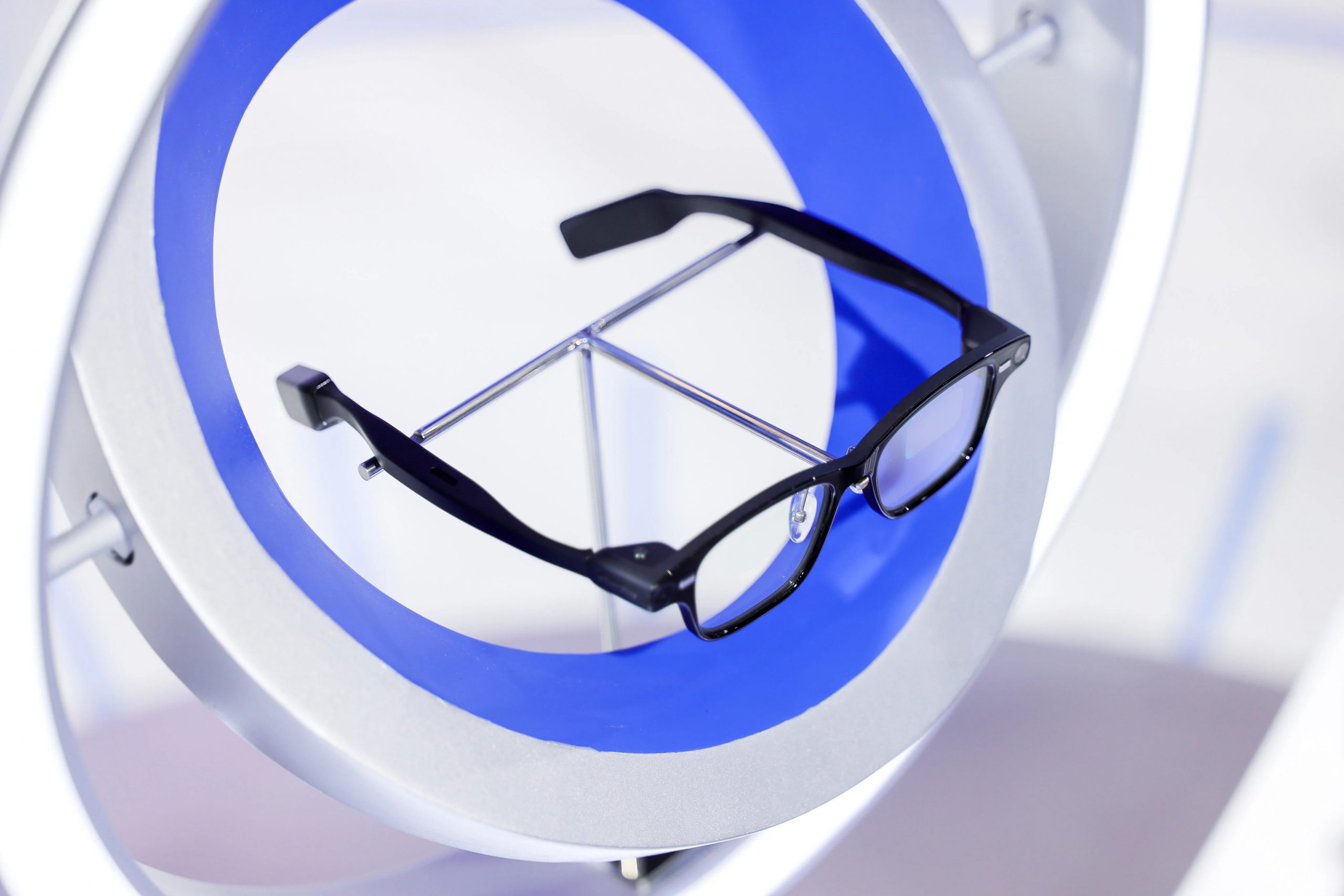
Alibaba officially launched its first-of-a-kind artificial intelligence-powered glasses in China last Thursday with the debut of its initial smart consumer eyewear. The release of this product represents a paramount achievement for the company in its effort to extend the ecosystem of AI products directed at consumers face-to-face in a scenario where they have to contend with both local and foreign competitors.
The innovative Quark AI Glasses feature two models. The more luxurious S1 model is available to customers from 3,799 yuan (approximately $536), while the economical G1 model costs 1,899 yuan. Both variants include a built-in display and integrated camera, but Alibaba noted that the S1 offers a more advanced visual experience with a superior screen system.
The product line, first previewed earlier this year, represents Alibaba’s newest attempt to fuse generative AI with hardware, a strategy increasingly common among tech giants exploring “post-smartphone” devices.
Major players across the AI landscape have been making similarly bold strategic pivots, including headline-making investment shifts such as SoftBank’s exit from Nvidia to reallocate capital toward AI platforms.
Powered by Alibaba’s Qwen AI Models
A key feature of the Quark smart glasses is the integration of Alibaba’s own Qwen large language model, the company’s alternative to systems such as ChatGPT. The glasses are perfect partners with Alibaba’s recently unveiled Qwen app. So, they offer a complete liberation of the hands for the end-users to continue exploiting AI-enabled features.
By interacting with the device via voice, a user can accomplish a multitude of tasks. These include real-time language translation, querying the AI with questions, and asking it to summarize the discussion from a meeting. According to Alibaba, the firm’s departure of their product from the periphery of the basic augmented reality concept lies in the fact that their product, just like a human assistant, reacts and adapts to the given stimuli.
One standout capability involves product recognition. If one wants to know the price of something, they just point the glasses’ camera at it, and in a flash, pricing information retrieved from Taobao is shown. Alibaba’s flagship e-commerce platform is basically the vehicle through which the company plans to implement its strategy of integrating AI seamlessly into commerce.
Part of a Growing Smart Glasses Market
Alibaba is not the last to innovate among AI-driven wearable display leaders. In September, Meta released upgraded Ray-Ban smart glasses that respond to gestures and light up for user convenience, selling for $799.
In China, apart from Alibaba, the likes of Xiaomi and Xreal, a rising AR startup, are steadily getting ready to go head-to-head with heavy investments in spatial computing and AI-assisted wearable devices. So, the competition in the smart glasses sector will be fierce.
The smart glasses sector is still in the early stages, but is gradually gaining momentum. Some analysts argue that early volatility in AI-driven consumer technology reflects a rapidly expanding innovation cycle still in its early innings. According to Omdia’s industry experts, worldwide AI spectacles shipments might be more than 10 million in 2026, doubling the figures of 2025. The biggest part of this growth challenge is to be found in the transition of AI assistants from being phone-based tools to wearable, multimodal systems.
Strengthening Alibaba’s AI Ecosystem
The launch of Quark AI Glasses builds on momentum from Alibaba’s consumer-facing software strategy. The company’s Qwen chatbot app reached 10 million downloads within the first week of its public beta rollout, reflecting strong interest from Chinese users seeking alternatives to international AI apps.
Alibaba also continues to scale its cloud computing business. The division that handles most of its AI model training and deployment revenue. Recent quarterly results showed improved performance in cloud, suggesting increasing enterprise adoption of the company’s AI services.
The Hangzhou-based firm now sits among China’s leading AI developers, alongside peers such as Tencent and Baidu. All three companies have been racing to develop and commercialize generative AI systems, offering everything from code assistants to corporate automation tools.
A Bid to Shape the Next Major Consumer Device Category
As smartphones have reached their peak, several major tech companies around the world are figuring out what the next big thing will be. In particular, smart glasses, especially those featuring AI-powered interfaces, are being looked at as the potential next personal technology revolution.
Alibaba seems to be one of those companies that are sure of it. They see AI-powered glasses as a device that can fundamentally change the way users get information, shop online, create content, and interact in the digital world.
Whether the glasses will soundly fail or pass will arguably depend on a number of factors that a user comes across in daily life, such as the comfort of the glasses, how long the battery lasts, the quality of the display, and whether the AI features are simply a novelty or actually helpful.
What Comes Next
First of all, Alibaba is planning to start sales in China only, and there is no official international timetable for this endeavor. Experts see the launch plan as a close resemblance to the very beginnings of digital assistants and AR headsets, which in turn means testing locally, quickly making changes, and finally going global if the metrics for adoption are positive.
The introduction of the product at this moment, in fact, implies a very definite message: Apart from just creating AI models, Alibaba intends to be the forerunner in devices that incorporate generative AI in real-life scenarios.
If people quickly embrace the product, the Quark AI Glasses could become the centerpiece of Alibaba’s consumer AI plans, signaling its entry into a high-stakes global race for the future of wearable computing.