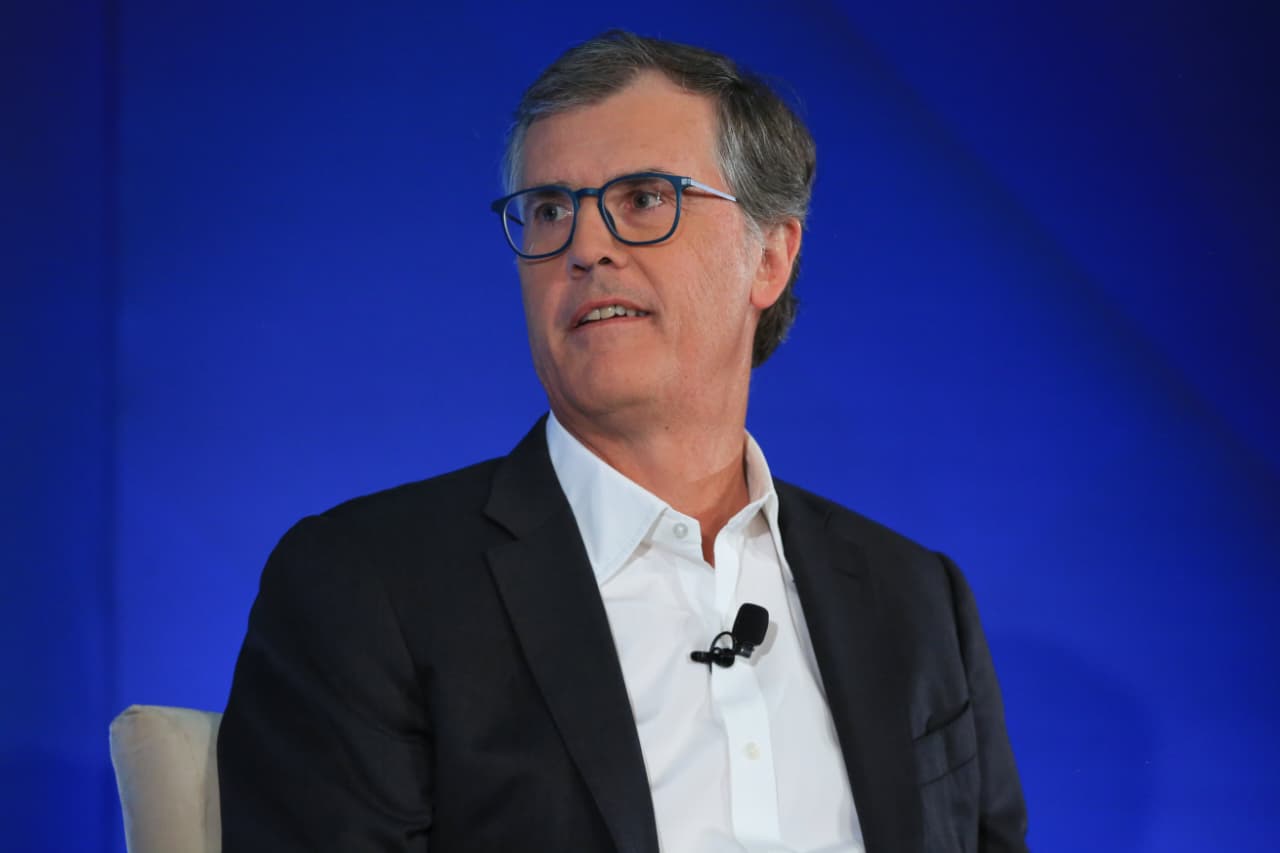
The U.S. IPO Market is undergoing one of the most problematic periods in decades, as Coatue Management founder and portfolio manager Philippe Laffont believes. At CNBC’s Delivering Alpha conference in New York on November 13, 2025, Laffont gave a blunt assessment of the public-listing system. He said the path for companies to go public is so damaged that he believes it is permanently broken.
Laffont’s comments come at a time of rising market uncertainty, tighter monetary conditions, and cautious investors. IPO activity has picked up slightly since last year, but analysts remain divided on whether the market is truly recovering or still getting worse. This divide echoes the broader uncertainty playing out across global markets, as recent sell-offs have raised similar questions about durability and direction.
A Declining Market: “Almost No IPOs Anymore”
Speaking at the Delivering Alpha, Laffont has pointed out the drastic reduction in IPOs relative to past decades. He stressed that the transformation is not cyclical, but structural as it is based on fundamental transformations in the way modern firms raise capital and scale.
“The number of IPOs used to be so many more 20 or 30 years ago”, Laffont said. “The number of IPOs is very low… There is practically none.”
Coatue Management is one of the world’s largest tech hedge funds, managing more than $70 billion in assets, and it has been active in both private and public markets for many years. However, this year Laffont sounded significantly more pessimistic, due to worries of a dwindling pipeline of new public companies. Recent volatility around major tech holdings, including Nvidia-linked moves that pressured SoftBank, reinforces the challenges facing high-growth companies considering the leap into public markets.
The analysts consider that the decline has been caused by a number of factors:
-
- Firms that remain private longer, with the help of large venture and private equity capital.
- Risk aversion is forced by increased interest rates.
- Greater regulatory oversight, especially of tech firms.
- Unstable market, weakening new listings.
The decline in the number of opportunities to the everyday investor is a consequence of firms favoring predictability in using their own sources of finance over the disclosure and scrutiny of public market access.
Impact on Retail Investors: “It’s a Bit Unfair”
Laffont stressed that the stagnation in IPO activity ultimately harms retail investors, who historically relied on public markets to access early-stage, high-growth companies.
“I think it’s not a great trend because at the end of the day, it’s just easier for retail investors to be involved in IPOs, and then onwards, than everything before the IPO,” he said. “So I find that it’s a bit unfair.”
In today’s business scenario, many of the world’s most valuable startups remain private well into their mature stages, allowing private investors to capture the largest share of growth before shares ever reach the stock market. When an average investor finally has access, valuations are typically high, which restricts the potential for growth.
This shift is a big break to the market norms of the 1980s, 1990s, and the early 2000s, which saw companies usually going public earlier in their growth stages.
IPO Trends in 2025: A Rebound, But Still Far Below Historic Levels
Not every industry leader is as pessimistic as Laffont. In the same event, Bill Ford, Chairman and CEO of General Atlantic, sounded more optimistic. Although admitting to the challenges, such as this year’s government shutdown, Ford thinks that IPO markets are reviving.
Data from Renaissance Capital provides a more nuanced picture:
-
- In 2025, 191 IPOs have been priced so far, which is 48% higher than the previous year.
- But the overall total is far lower than the numbers from 2018-2021, which included a historic boom and a pandemic-related housing boom.
This comparison highlights the gap between investor and executive feelings. Some view a possible turning point; others, such as Laffont, feel that the underlying market changes indicate that the worsening is over the long term.
Why the IPO Market Changed: The New Private-Market Dominance

The experts cite a number of structural shifts that have transformed the capital-raising environment:
Private Capital Is More Abundant
Venture capital firms, sovereign wealth funds, and private equity firms now manage record amounts of capital. Their large check-writing capabilities have further minimized the need for companies to go public.
Regulatory Pressure Has Intensified
The tech industry and companies in general are under more and more scrutiny regarding data privacy, antitrust, and financial disclosure. This increases the value of staying private.
Market Volatility Adds Risk
Geopolitical tensions, changing interest rates, and the speed of investor sentiment changes all mean that lots of companies are opting to postpone or cancel IPO plans.
A Cultural Shift Toward Staying Private
The privacy and flexibility of the private market also suit founders and management teams, who do not want to face the pressures of quarterly earnings and the scrutiny of the public.
All these trends have redefined incentives surrounding public listings, leading to a reduction in the number of IPOs when the markets are keen.
The Future of the IPO Market: Broken or Just Changing?
Laffont says the IPO market is broken beyond repair. He worries that it can no longer serve its main purpose. This is giving investors broad access to promising young companies.
When companies keep postponing public offerings, the gap between insiders of the firm and retail investors may further increase. This would change the very composition of capital markets, and it would lead to fewer wealth-generation opportunities in the public equities.
But some feel that the IPO market is merely going through a transition period and can adjust to the new economic and regulatory reality. Some positive signs have emerged – better valuations, lower inflation, and renewed interest from institutional investors — all suggesting a slow recovery.
However, it is still not clear whether this recovery can be robust enough to revive the IPO market to its previous energy.
Philippe Laffont’s warning at Delivering Alpha 2025 has sparked renewed debate about the health and future of the U.S. IPO market. While some experts see green shoots of recovery, Laffont argues that the system’s decline is structural, not temporary. With fewer IPOs, longer private funding cycles, and greater barriers for everyday investors, the nature of market participation is undergoing a fundamental transformation.
As the year progresses, investors will closely watch whether the modest increase in IPOs signals a sustainable rebound, or a brief uptick in a continuing downward trend.