The American pharmaceutical titan Pfizer will purchase Metsera, a company that develops therapies for obesity, for $10 billion. Pfizer won a two-month acquisition battle with Danish pharmaceutical company Novo Nordisk, gaining a foothold for entrance into the quickly expanding obesity medicine market.
The Biotech War Between Novo and Pfizer
Pfizer had been seen as the frontrunner for the Metsera acquisition earlier this year, but the process took a competitive turn when Novo Nordisk submitted an unexpected proposal last week. The late challenge set off a brief bidding contest over a company viewed as a valuable entry point into the fast-expanding obesity treatment market. Pfizer has been pushing to establish a stronger presence in weight-loss medicines, especially after internal efforts in the category delivered limited success.
Under the terms announced, Pfizer will purchase Metsera for $86.25 per share, representing a 3.69% premium compared to the company’s closing price on Friday. The structure includes an upfront cash payment of $65.60 per share, along with a contingent value right that could provide shareholders with as much as an additional $20.65 per share if certain milestones are reached.
Novo Nordisk confirmed on Saturday that it would withdraw from the bidding and would not raise its offer. The Danish pharmaceutical group stated that it remains focused on advancing its own obesity drug portfolio while continuing to explore future deals that align with its broader strategy.
The company viewed its final proposal as the highest reasonable valuation for Metsera, and emphasized that the outcome does not hinder Novo’s confidence in its internal pipeline. The source described the potential acquisition as complementary rather than crucial to Novo’s growth plans.
Global demand for obesity therapies has surged over the past two years, fueled by GLP-1 drugs that have proven effective in reducing weight and managing related conditions such as diabetes and cardiovascular disease. Shortages of Novo Nordisk’s Wegovy and Eli Lilly’s Mounjaro have highlighted just how rapidly the market is expanding. Analysts say next-generation obesity treatments could reshape chronic disease care, making them one of the most competitive battlegrounds in pharma today.
Legal and Regulatory Risks Deemed Too High
Over the past week, Metsera’s shares have surged due to the intensifying M&A game. Metsera shares increased by about 60% from the moment Novo intervened with their bid to Friday’s close.
Novo seemed to have the inside track for a while. After losing to Eli Lilly, Novo has been attempting to regain its dominant position in the obesity medicine market.
The U.S. Federal Trade Commission will explore the risks of a transaction with Novo, Metsera said in a statement on Friday, that Novo’s bid created unacceptably high legal and regulatory risks in comparison to the proposed merger with Pfizer. The agency warned Novo and Metsera in a letter earlier this week that their proposed acquisition would violate U.S. antitrust rules.
Regulatory intervention has become a recurring flashpoint across U.S. industries, with similar tensions surfacing in recent disputes between major banks and fintech intermediaries over data-access fees.
Novo stated that it thought the offer’s structure complied with antitrust regulations.
Pfizer said that it was happy to have struck a revised agreement with Metsera and that it anticipates closing the acquisition shortly after Metsera’s shareholder meeting on November 13.
The conflict represents a growing struggle for supremacy in the obesity medication business, which some analysts predict will grow to $150 billion a year in a few years. Pfizer wants to ensure its entry into the weight-loss market, while Novo wants to protect its position against growing competition from Eli Lilly and open a new tab.
Pfizer’s Refocus After the Post-COVID Revenue Drop
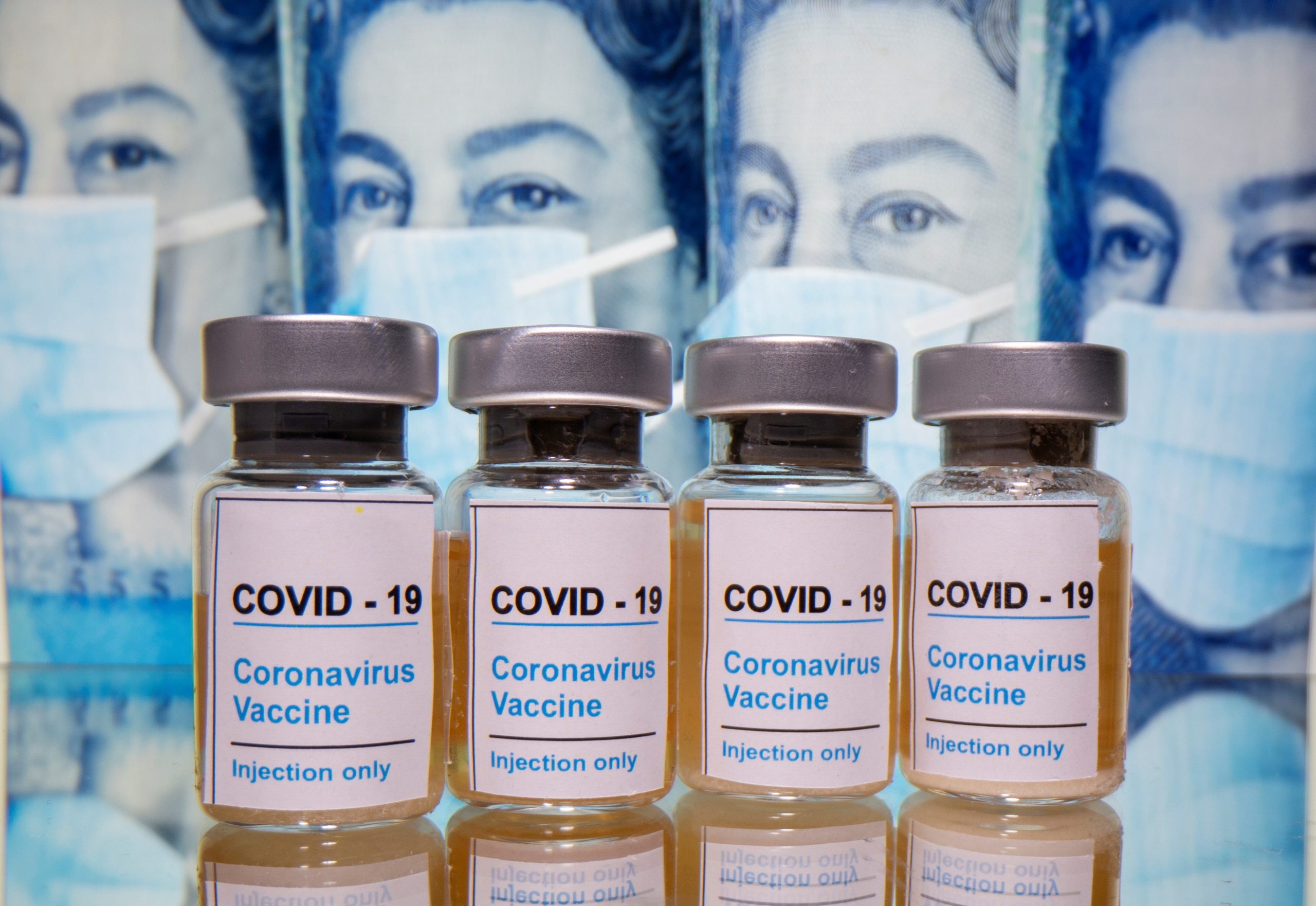
With the sharp decrease in demand for products related to the COVID era, among them the vaccine Comirnaty and the antiviral Paxlovid, Pfizer has been forced to change its growth strategy. The company has been issuing profit warnings in 2023-2024 as it is losing pandemic-driven revenues, which has led to a renewed focus on pipeline expansion and cost restructuring.
Pfizer has been vigorously cutting its costs, including multibillion-dollar operational reductions, while still committing to innovative therapies that can generate stable, long-term revenue.
Buying companies is at the heart of the Pfizer comeback plan. The $43 billion Seagen purchase gave a boost to Pfizer’s oncology portfolio, paving the way for more high-value biotech acquisitions, such as the proposed Metsera acquisition, which can refresh its late-stage pipeline.
The management has said that the key to their future success will be oncology breakthroughs, therapies for rare diseases, and drugs for obesity, which are categories with huge commercial potential in the next ten years.
Pfizer’s transformation is a clear indication of a gradual move from products with a short cycle to durable blockbuster revenue, supported by active deal-making and a more consolidated operational model.
High Valuation Sparks Doubts About Future Returns
The $10 billion price, according to Bernstein analyst Courtney Breen, was based on generous assumptions about Metsera’s future performance. Pfizer would have to anticipate $11 billion in sales by 2040, which is almost twice as much as Metsera’s current projections. She cited mounting doubts about long-term GLP-1 price as a potential source of margin compression.
The board of Metsera suggested that its shareholders accept the revised Pfizer offer. The biotech company is now losing money. Analysts expect the company to incur further losses while it develops its medications.
The price was raised from Pfizer’s September offer of $7.3 billion due to the bidding war between Novo and Pfizer. John LaMattina, a former head of Pfizer research and development, told Reuters that the conflict was similar to Pfizer’s hostile $90 billion acquisition of Warner-Lambert in 2000 in an attempt to seize control of the cholesterol-lowering medication Lipitor.
Pfizer must think that Metsera’s pipeline is essential to its future, even though this is a smaller purchase.
Investors and analysts cited the exceptionally intense competition for ownership of Metsera, whose early-stage obesity treatments are yet unproven but might be crucial in a market that some analysts predict will reach $150 billion by the beginning of the next decade.